To meal plan for the week, choose five dinners, put one leftover night and one easy night in the mix, repeat two or three breakfasts, build lunches from leftovers, then shop once from a single list. That takes about 20 minutes on a Sunday. The system below is the one we use, with a real example week from our planner.
Most meal planning advice fails for one reason: it assumes you'll cook three fresh meals a day from new recipes. Nobody does that for long. A plan that sticks is smaller than you think, repeats more than you'd expect, and is written around your actual week, including the nights you'll be too tired to cook.
What does a beginner meal plan need?
A beginner meal plan needs three things: a short list of dinners, a grocery list that covers them, and a rough idea of which night you'll eat which meal. Everything else is optional in the first month.
- Dinners, not every meal. Dinner takes the most effort and drives most of the grocery bill. Plan five dinners and leave two nights open for leftovers, eating out or a pantry meal.
- Repeats on purpose. Two breakfasts on rotation is a perfectly good plan. So is having the same lunch three days in a row if it's one you like.
- One grocery list. The point of planning is shopping once. Oklahoma State University Extension lists "plan meals for the week and make a shopping list based on what you already have" as its first money-saving tip, because it cuts impulse buys and duplicate purchases.
How to meal plan in 6 steps
Here's the whole system. Do it in this order, because each step makes the next one easier.
- Look at the week first. Before you pick a single meal, check the calendar. Which nights are late? Who's home? A 45-minute recipe on soccer night is how plans fall apart. Mark busy nights for 20-minute meals or leftovers.
- Pick five dinners. A good mix: two meals you already cook well, one new recipe, one dinner you'll cook as a double batch, and one very easy meal. Five is enough. The other two nights are for leftovers or a night off.
- Let dinners share ingredients. If Monday uses bell peppers and salsa, choose a Thursday meal that uses them too. You buy whole packages, so recipes that share them waste less. This is what our meal planner does on purpose when it picks meals.
- Turn one dinner into lunch. Cook a double batch of chili, soup or a grain bowl and pack the extra for the next day. That's one less meal to plan and one less set of ingredients to buy.
- Repeat breakfasts. Choose two: one you make ahead (overnight oats, egg muffin cups) and one for slower mornings. Our breakfast meal prep guide has a 45-minute version for the whole week.
- Write the list by aisle, then check the pantry. Add up what every meal needs, sort it the way your store is laid out, and cross off what you already have. A grocery list maker does the adding and sorting for you.
A real example week from the planner
Here's a week we built in the planner for two adults, using the step order above. Five cooked dinners, two double batches, one night off and one fridge clean-out.
| Day | Breakfast | Lunch | Dinner |
|---|---|---|---|
| Mon | Berry overnight oats | Mediterranean chickpea salad | Sheet-pan chicken fajitas |
| Tue | Veggie egg muffin cups | Mediterranean chickpea salad | Turkey chili (double batch) |
| Wed | Berry overnight oats | Turkey chili (leftovers) | Teriyaki chicken rice bowl |
| Thu | Veggie egg muffin cups | Tuna white bean salad | Black bean tacos |
| Fri | Berry overnight oats | Quinoa black bean bowl | Night off |
| Sat | Blueberry pancakes | Lentil soup (double batch) | Lemon salmon with potatoes |
| Sun | Shakshuka | Lentil soup (leftovers) | Fridge clean-out |
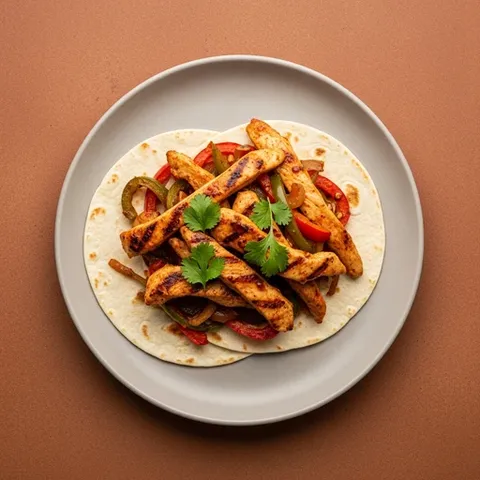
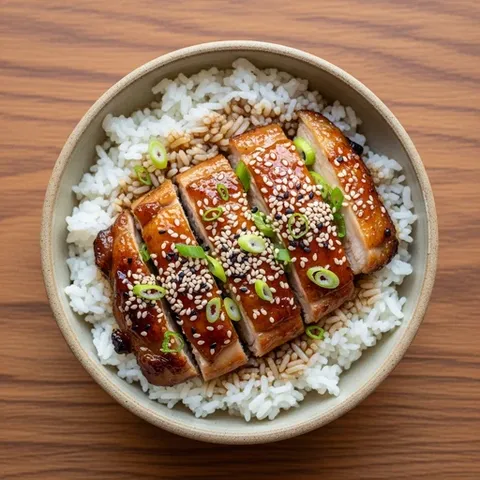
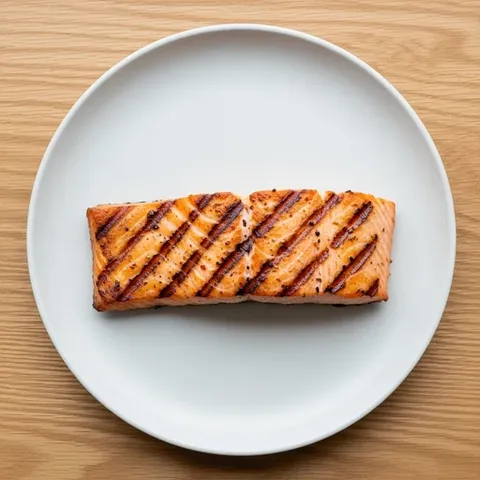
A few things to notice. Bell peppers show up in the fajitas, the chili, the egg cups, the bean bowl and the shakshuka, so six peppers get used instead of half of them going soft. Black beans and salsa carry over from the bean bowl to the tacos. The chickpea salad is made once on Sunday and covers two lunches. Monday comes to about 80 g of protein and roughly 1,460 calories across the three meals, before snacks, which is a normal, unfussy day of eating.
When the planner added it all up for two people, the list came to about 50 things to buy plus a pantry check of 16 staples like olive oil, cumin and soy sauce. The protein side of the cart was short: 17 eggs, a pound each of chicken breast, boneless chicken thighs, ground turkey and salmon, two cans of tuna, a bag of lentils and ten cans of beans and chickpeas. That's the kind of list you can shop in one trip.
The Sunday 20-minute routine
The routine that keeps a plan alive is short and the same every week. Set a timer if it helps.
- Minutes 0–3: check the calendar. Note late nights, guests and any night you'll be out.
- Minutes 3–8: look in the fridge. Anything that needs using goes into the plan first. Half a bag of spinach becomes Tuesday's eggs.
- Minutes 8–13: pick dinners. Five, using the mix above. Lock the ones you're sure about and swap the rest.
- Minutes 13–16: fill breakfasts and lunches. Rotation for breakfast, leftovers or one make-ahead dish for lunch.
- Minutes 16–20: finish the list. Cross off what's in the pantry, then put the list where you'll actually see it at the store.
If you have another 45 minutes, spend it on prep: cook a pot of grains, wash greens, chop onions and peppers for the first two dinners, and make that week's breakfast. Our meal prep plan lays out a full prep session.
Printable meal planning checklist
Copy this into your notes or print it with the rest of the page. If you'd rather plan on paper, our printable meal planner has a weekly template with a grocery column.
- Calendar checked: busy nights marked for quick meals or leftovers
- Fridge checked: anything that needs using is in the plan
- Five dinners chosen: two favorites, one new, one double batch, one easy
- At least two dinners share fresh ingredients
- One double batch planned to become lunch
- Two breakfasts on rotation, one of them make-ahead
- Nothing planned for more than 4 days after it's cooked, unless frozen
- Grocery list sorted by aisle, pantry crossed off
- One backup pantry meal (pasta, eggs, beans and rice) for the night everything goes wrong
Why do meal plans fail by week 2?
Most meal plans fail by week two because the first week was too ambitious, not because the person lacks discipline. These are the four patterns we see most, with the fix for each.
1. Seven new recipes
New recipes take longer, use unfamiliar ingredients and sometimes flop. A week of them is exhausting. Fix: one new recipe a week, maximum. When a new meal works, it joins your rotation and next month's planning gets faster.
2. No room for real life
The plan said salmon on Wednesday, then a late meeting happened, the salmon sat until Saturday, and you threw it out. Fix: plan five dinners, not seven, and put perishable proteins like fish early in the week. Raw ground meat keeps only 1 to 2 days in the fridge and fresh salmon 1 to 3 days, per FoodSafety.gov, so either cook them first or freeze them on shopping day.
3. Food goes bad before you get to it
Buying a bunch of cilantro for one recipe and a bag of spinach for another is how a plan quietly turns into food waste. Fix: choose meals that share produce, use sturdy vegetables (cabbage, carrots, peppers) later in the week, and keep frozen vegetables as a backup. Oklahoma State Extension also recommends batch cooking and freezing portions to reduce waste.
4. You got bored
Week one's novelty wears off, and planning starts to feel like homework. Fix: build a rotation. Keep a list of 15 to 20 dinners your household likes and plan from that, adding one new meal a week. A planner that lets you shuffle, lock favorites and swap meals with one tap keeps it from feeling like a chore.
Food safety rules that make meal planning work
A meal plan is only as good as the leftovers are safe. USDA's Food Safety and Inspection Service gives a few simple rules worth building into your week:
- Refrigerate cooked food within 2 hours, or 1 hour if it's above 90°F.
- Cool big batches fast by dividing them into shallow containers. A full pot of soup cools too slowly.
- Eat refrigerated leftovers within 3 to 4 days, or freeze them. Frozen leftovers are best within 3 to 4 months.
- Reheat leftovers to 165°F, and bring soups and sauces to a rolling boil.
Planning with those numbers in mind is why the example week puts the double-batch chili on Tuesday and eats it Wednesday, and why the lentil soup is cooked on Saturday for Sunday.
How do I keep doing it every week?
You keep meal planning going by making it smaller and more automatic each week, not by trying harder. Save the plans that worked and reuse them. Keep the weekly list visible in the kitchen or on your phone so the whole household knows what's for dinner without asking. Plan at the same time every week, ideally right before you shop.
When you're ready, open the meal planner, pick how many people you're feeding and what kind of week you want, and you'll get seven days of meals and the grocery list in about a minute. Then change whatever doesn't fit your week.