A vegetarian meal plan works when every meal has a real protein source, the week is varied enough to cover your amino acids without counting them, and you have a plan for vitamin B12 and iron. The planner above builds the week from vegetarian recipes for two people. Below are two example weeks, one vegetarian and one vegan, with the protein numbers the planner computes.
How much protein do vegetarians need?
The same as everyone else. The National Academy of Medicine's minimum for adults is 0.8 g of protein per kilogram of body weight per day. Harvard's Nutrition Source works that out to about 50 g for a 140 lb person and about 70 g for a 200 lb person. Active people often eat more.
The difference is where it comes from. Without meat, protein has to come from several smaller sources across the day. That's why the planner shows protein on every meal and a daily total: a day of toast, a salad and pasta can land well under 50 g, while a day with eggs, lentil soup and tofu clears 90 g.
Do you need to combine proteins? The myth and what to do instead
The old rule said you had to pair beans with rice at the same meal to make a "complete" protein. Harvard's Nutrition Source puts it more simply: eat a variety of protein-containing plant foods each day and your body gets the amino acids it needs. Harvard also names quinoa and chia seeds as plant foods that are complete proteins on their own.
In practice that means variety across the week. The vegan week below uses lentils, red lentils, chickpeas, black beans, kidney beans, tofu, edamame, peanut butter, quinoa and whole wheat bread. That's ten different protein foods without any special pairing.
A vegetarian week for two
This week uses eggs and dairy for breakfast protein and beans, lentils and tofu at lunch and dinner. Cook once, eat twice is on, so three dinners become the next day's lunch.
| Day | Breakfast | Lunch | Dinner | Protein |
|---|---|---|---|---|
| Mon | Greek yogurt parfait | Kale Caesar with chickpeas | Bean and cheese burritos | 72 g |
| Tue | Veggie omelet | Leftover burritos | Tofu vegetable stir-fry | 93 g |
| Wed | Cottage cheese protein pancakes | Egg salad sandwich | Lentil soup | 80 g |
| Thu | Greek yogurt parfait | Leftover lentil soup | Baked ziti | 85 g |
| Fri | Tofu scramble | Caprese sandwich | Peanut noodle salad | 78 g |
| Sat | Spinach feta scrambled eggs | Leftover peanut noodle salad | Broccoli mac and cheese | 81 g |
| Sun | Cottage cheese protein pancakes | Black bean quesadilla | Shakshuka | 75 g |
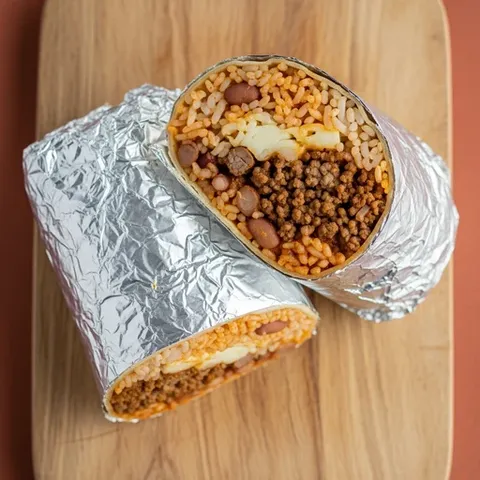
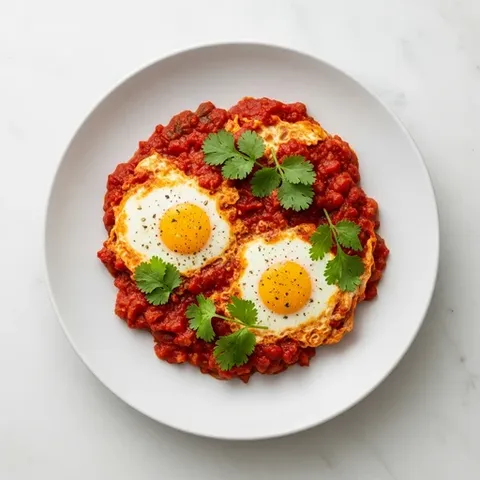
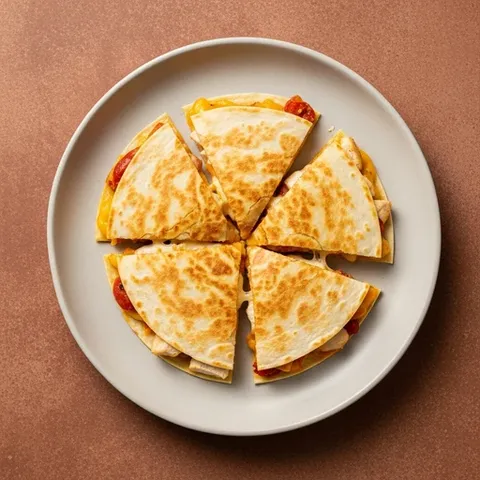
That's about 81 g of protein per person per day, before snacks. The breakfasts do a lot of the work: Greek yogurt parfait, the protein pancakes, Tofu scramble and the egg dishes each have 28 to 33 g.
A vegan week for two
Switch the style to Vegan and the planner drops eggs, dairy and honey everywhere, including snacks. Here's a week built that way:
| Day | Breakfast | Lunch | Dinner | Protein |
|---|---|---|---|---|
| Mon | Tofu scramble | Smashed chickpea sandwich | Lentil soup | 79 g |
| Tue | Berry chia pudding | Leftover lentil soup | Tofu vegetable stir-fry | 78 g |
| Wed | Peanut butter banana toast | Quinoa black bean bowl | Peanut noodle salad | 59 g |
| Thu | Tofu scramble | Leftover peanut noodle salad | Red lentil dal | 83 g |
| Fri | Avocado toast with tomatoes | Smashed chickpea sandwich | Sweet potato black bean chili | 57 g |
| Sat | Berry chia pudding | Quinoa black bean bowl | Black bean tacos | 50 g |
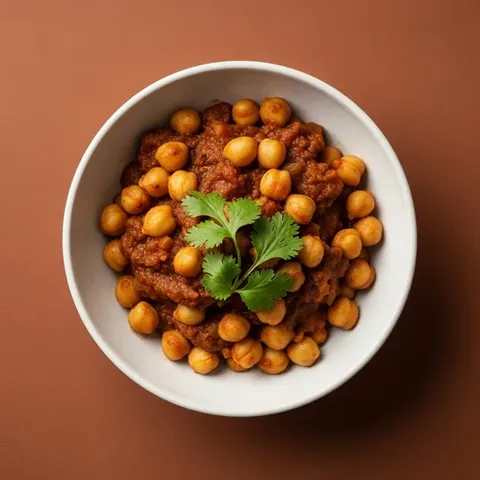
| Sun | Tofu scramble | Smashed chickpea sandwich | Chana masala | 77 g |
The average is about 69 g per person per day, lower than the vegetarian week and more uneven. Tofu is the difference: every day that starts with Tofu scramble (33 g) or ends with Tofu vegetable stir-fry (40 g) lands near 80 g, while Saturday, with no tofu, reaches 50 g. If you need more, swap Saturday's chia pudding for Tofu scramble, or add Edamame with sea salt (18 g) as a snack.
The vegan lunch list is short, with four recipes in the planner, so expect repeats. A soup or curry cooked as a double batch is the easiest fix. You can also write in your own meal for any slot.
The grocery list for this week includes 4 blocks of tofu, 5 cans of chickpeas, 4 cans of black beans, a can of kidney beans, a pound each of green and red lentils, a bag of frozen edamame and a quart of soy milk.
Vitamin B12: the one nutrient food alone won't cover for vegans
Vitamin B12 is found naturally only in animal foods. MedlinePlus notes it isn't present in plant foods unless they're fortified, and lists people who follow vegetarian or vegan diets among those most likely to run low. Harvard's Nutrition Source advises both vegetarians and vegans to include B12-fortified foods or a B12 supplement. The adult RDA is 2.4 micrograms a day.
- Fortified foods: many soy milks, breakfast cereals and some nutritional yeasts. Check the Nutrition Facts panel, because not every brand adds it.
- Supplements: the simplest option for vegans. Ask your doctor or a registered dietitian about the right dose, and be especially careful in pregnancy, when B12 matters for the baby's development.
- Vegetarians: eggs and dairy contain B12, but intake can still run low, so fortified foods are worth a look.
The planner computes protein and calories, not vitamins, so B12 is something to plan for outside the meal plan.
Iron on a vegetarian diet
Plant foods contain non-heme iron, which the body absorbs less easily than the iron in meat. Harvard's Nutrition Source says you can still get enough with some planning: eat iron-rich plant foods often and pair them with vitamin C. The adult RDA is 8 mg for men and 18 mg for women aged 19 to 50.
- Iron-rich foods in these weeks: lentils, chickpeas, black and kidney beans, tofu, spinach, kale and pumpkin seeds.
- Vitamin C partners already in the recipes: bell peppers (in seven meals of the vegan week), tomatoes, lemon and lime.
- Timing: calcium-rich foods, calcium supplements and tea reduce absorption, so have them between meals rather than with your lentils.
If you're tired all the time, pregnant or have heavy periods, ask your doctor about checking your iron.
Vegan dinners in the planner, highest protein first
| Meal | Time | Protein | Calories |
|---|---|---|---|
| Tofu vegetable stir-fry | 30 min | 40 g | 636 |
| Red lentil dal | 35 min | 28 g | 738 |
| Lentil bolognese | 45 min | 27 g | 656 |
| Lentil soup | 45 min | 25 g | 501 |
| Baked falafel bowl | 45 min | 24 g | 719 |
| Chana masala | 35 min | 23 g | 690 |
| Vegetable lo mein | 25 min | 23 g | 538 |
| Peanut noodle salad | 20 min | 22 g | 501 |
| Sweet potato black bean chili | 45 min | 21 g | 516 |
| Coconut chickpea curry | 30 min | 20 g | 663 |
| Peanut veggie noodle stir-fry | 25 min | 20 g | 578 |
| Black bean tacos | 20 min | 19 g | 505 |
For a protein-first week of any kind, see the high protein meal plan. The Mediterranean meal plan is a good next step if you eat fish, and the budget meal plan shows why beans and lentils are also the cheapest protein in the store. For grab-and-go ideas, read high protein lunch ideas.