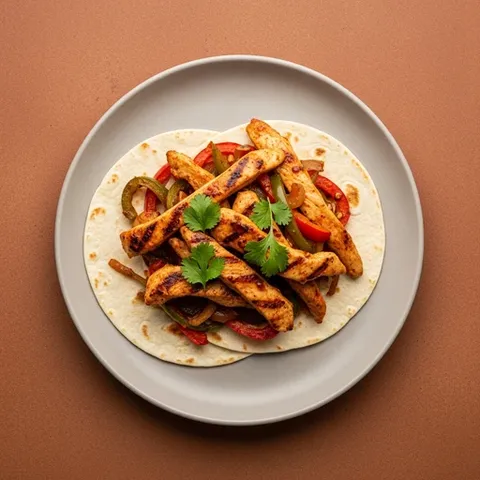
A high protein breakfast has about 25 to 40 g of protein, and you can get there in five minutes with Greek yogurt or cottage cheese, or in fifteen with eggs or tofu. Below is every breakfast in our meal planner ranked by protein, with the numbers calculated from the actual recipe amounts, plus the make-ahead options and the swaps that turn an ordinary breakfast into a high protein one.
Most people eat their protein backward: a little at breakfast, a bit more at lunch and most of it at dinner. Breakfast is where the gap is, and it's also the easiest meal to fix because you're happy to eat the same few things on repeat.
How much protein should breakfast have?
For most adults, 25 to 40 g at breakfast is a sensible target. Here is where that number comes from.
- The daily total. The Dietary Guidelines for Americans, 2025–2030 set a protein goal of 1.2 to 1.6 g per kilogram of body weight a day and tell you to prioritize protein foods at every meal. The older baseline, the RDA, is 0.8 g/kg, which Harvard's Nutrition Source puts at about 50 g a day for a 140 lb person. The RDA is a minimum, not a target.
- Per meal. The International Society of Sports Nutrition suggests 20 to 40 g per meal, or about 0.25 g per kilogram, spread evenly every 3 to 4 hours. Older adults may need closer to 40 g per meal to get the same muscle response.
Split a daily goal across three meals and you get these breakfast numbers. To get kilograms, divide your weight in pounds by 2.2.
| Body weight | Daily goal (1.2–1.6 g/kg) | A third of that, per meal | ISSN minimum per meal (0.25 g/kg) |
|---|---|---|---|
| 130 lb (59 kg) | 71–94 g | 24–31 g | 15 g |
| 154 lb (70 kg) | 84–112 g | 28–37 g | 18 g |
| 200 lb (91 kg) | 109–146 g | 36–49 g | 23 g |
That's why our high protein meal plan sets 25 g as the floor for every breakfast. It's high enough to matter for most people and low enough to hit with normal food.
The highest protein breakfasts in our planner
These are the breakfasts marked high protein in the planner, sorted by protein per serving. Every number is calculated from the recipe's ingredient amounts using USDA nutrition values, so it matches what you'll see when you open the meal in the planner.
| Meal | Time | Protein | Calories |
|---|---|---|---|
| Tofu scramble | 15 min | 33 g | 411 |
| Cottage cheese protein pancakes | 20 min | 32 g | 501 |
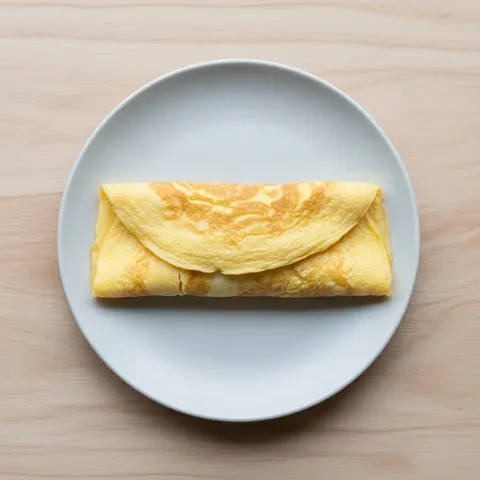
| Veggie omelet | 15 min | 31 g | 453 |
| Veggie egg muffin cups | 30 min | 30 g | 419 |
| Spinach mushroom frittata | 30 min | 30 g | 418 |
| Greek yogurt parfait | 5 min | 28 g | 376 |
| Spinach feta scrambled eggs | 10 min | 28 g | 420 |
| Breakfast burritos | 20 min | 27 g | 528 |
| Spinach mango smoothie | 5 min | 27 g | 380 |
| Berry Greek yogurt smoothie | 5 min | 26 g | 334 |
| Cottage cheese breakfast bowl | 5 min | 26 g | 328 |
A few things stand out. The top of the list is built on eggs, tofu, Greek yogurt and cottage cheese. None of the breakfasts uses protein powder. And the high protein ones aren't heavy: most sit between 330 and 530 calories, the same range as a stack of pancakes.
25 g+ in 5 minutes: no-cook high protein breakfasts
When you have five minutes and no stove, dairy does the work. All five of these reach 25 g of protein with no cooking. The overnight oats take five minutes the night before.
| Breakfast | Time | Protein | Calories | Where the protein comes from |
|---|---|---|---|---|
| Greek yogurt parfait | 5 min | 28 g | 376 | 220 g plain nonfat Greek yogurt (22 g) plus granola |
| Spinach mango smoothie | 5 min | 27 g | 380 | 170 g Greek yogurt, milk and oats |
| Berry Greek yogurt smoothie | 5 min | 26 g | 334 | 170 g Greek yogurt, milk and oats |
| Cottage cheese breakfast bowl | 5 min | 26 g | 328 | 210 g 2% cottage cheese (23 g) plus walnuts |
| Chocolate protein overnight oats | 5 min, the night before | 25 g | 409 | 120 g Greek yogurt, oats and milk |
The pattern is simple: a big scoop of strained dairy carries the protein, and fruit, oats or nuts make it a breakfast. A 170 g single-serve cup of plain nonfat Greek yogurt has about 17 g on its own. Plain is the better buy. Flavored yogurts add sugar, and the Dietary Guidelines advise dairy with no added sugars.
If dairy doesn't suit you, the fastest non-dairy option is a tofu scramble at 15 minutes. Two hard-cooked eggs from the fridge with a slice of whole-wheat toast is also quick, though at about 18 g it lands short of 25 g unless you add something like a cheese stick.
Hot high protein breakfasts in 15 minutes
Eggs and tofu are the backbone of a cooked high protein breakfast. Three eggs give about 19 g of protein, and a 150 g piece of extra-firm tofu about 26 g. Cheese and whole-wheat toast close the gap to 30.
- Tofu scramble (33 g, 15 min). Crumbled extra-firm tofu with spinach, pepper, onion and turmeric, plus a slice of toast. The highest protein breakfast in the planner, and vegan.
- Veggie omelet (31 g, 15 min). Three eggs, mushrooms, pepper, spinach and 20 g of cheddar, with toast.
- Spinach feta scrambled eggs (28 g, 10 min). Three eggs with spinach and a little feta. The quickest hot option on the list.
- Egg and cheese breakfast sandwich (24 g, 10 min). Two eggs and cheddar on a whole-wheat English muffin. Just under 25 g; add a third egg to clear it.
- Cottage cheese protein pancakes (32 g, 20 min). Oats, cottage cheese, two eggs and banana blended into a batter. A weekend breakfast that out-proteins most omelets.
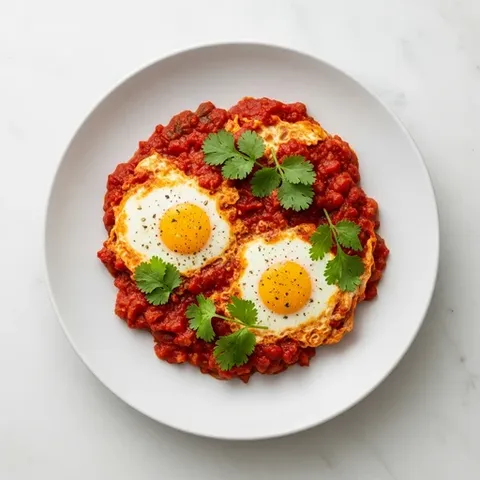
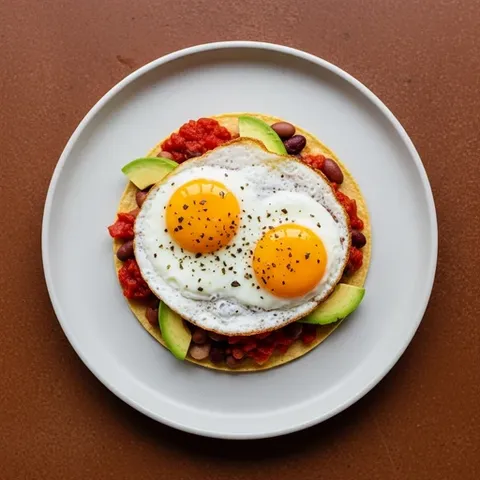
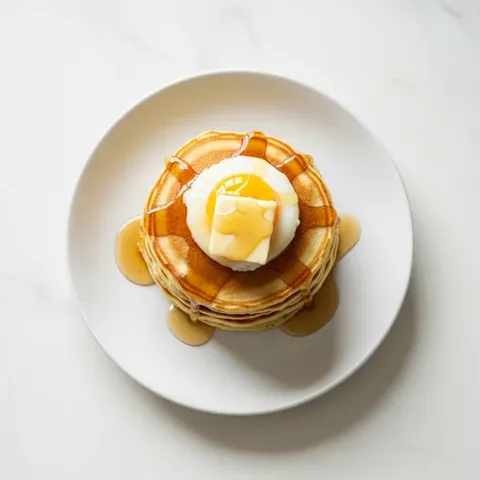
Shakshuka (24 g) and Huevos rancheros (21 g) are close behind if you want something more savory and saucy. Neither is labeled high protein in the planner because they sit just under the line. Add an extra egg to either and you're there.
Make-ahead high protein breakfasts
If mornings are the problem, cook on Sunday. Four breakfasts in the planner with 25 g or more are made for meal prep:
| Breakfast | Protein | Calories | Fridge | Freezer |
|---|---|---|---|---|
| Veggie egg muffin cups | 30 g | 419 | 3–4 days | Yes, 2–3 months |
| Spinach mushroom frittata | 30 g | 418 | 3–4 days | Yes, 2–3 months |
| Breakfast burritos | 27 g | 528 | 3–4 days | Yes |
| Chocolate protein overnight oats | 25 g | 409 | Up to 4 days | No |
The fridge times for the egg dishes come from FoodSafety.gov's storage chart, which lists casseroles with eggs at 3 to 4 days in the refrigerator and 2 to 3 months in the freezer after baking. Hard-cooked eggs keep 1 week in the fridge, which makes a batch of them the cheapest high protein snack-breakfast there is. Overnight oats aren't on the federal charts, so we use 4 days as a sensible ceiling.
Prep in a pattern you'll actually keep: egg cups for Monday, Wednesday and Friday, overnight oats for Tuesday and Thursday. Our breakfast meal prep guide has a full 45-minute session with a shopping list.
Swaps that add 10 g or more
You don't need new recipes to eat more protein at breakfast. Most of the time, one ingredient change does it. Here are pairs from the planner, same style of breakfast, very different numbers:
| Instead of | Protein | Try | Protein | What changed |
|---|---|---|---|---|
| Blueberry pancakes | 13 g | Cottage cheese protein pancakes | 32 g | Cottage cheese, oats and 2 eggs replace flour and milk |
| Avocado toast with tomatoes | 15 g | Avocado toast with egg | 24 g | Two eggs on top |
| Peanut butter banana smoothie | 17 g | Berry Greek yogurt smoothie | 26 g | 170 g Greek yogurt replaces peanut butter |
| Bacon egg and cheese muffin | 18 g | Egg and cheese breakfast sandwich | 24 g | Two eggs instead of one |
| Berry overnight oats | 20 g | Chocolate protein overnight oats | 25 g | Double the Greek yogurt |
The common thread: swap some of the flour, bread or fat for eggs, Greek yogurt or cottage cheese. Calories barely move. The pancakes even go from 455 to 501 calories while protein more than doubles.
A week of high protein breakfasts
Here's a week that mixes quick, hot and prepped breakfasts. Every day is 25 g or more.
| Day | Breakfast | Protein |
|---|---|---|
| Monday | Veggie egg muffin cups (prepped Sunday) | 30 g |
| Tuesday | Chocolate protein overnight oats | 25 g |
| Wednesday | Veggie egg muffin cups | 30 g |
| Thursday | Greek yogurt parfait | 28 g |
| Friday | Cottage cheese breakfast bowl | 26 g |
| Saturday | Cottage cheese protein pancakes | 32 g |
| Sunday | Tofu scramble | 33 g |
That's an average of about 29 g a morning. For a 154 lb person following the Dietary Guidelines' 1.2 to 1.6 g/kg, it covers roughly a quarter to a third of the day before 9 AM.
To get this week built for you, open the high protein meal plan. It keeps every breakfast at 25 g or more, fills in lunches and dinners at 30 g or more, and writes the grocery list. Any breakfast can be swapped for another from the list above. Want the lunch side too? See high protein lunch ideas. And if you'd like to check how your real mornings compare with the plan, GRAM, our iPhone app, logs a breakfast in a few taps and shows your running protein total for the day.
Shopping list for a high protein breakfast week
For one person, the week above needs roughly:
- Dairy and eggs: a dozen eggs, a 16 oz tub of plain nonfat Greek yogurt, a 16 oz tub of 2% cottage cheese, milk, a small block of cheddar.
- Produce: spinach, a bell pepper, an onion, strawberries, blueberries, bananas.
- Other: extra-firm tofu, rolled oats, granola, walnuts, cocoa powder, maple syrup or honey, whole-wheat bread.
Quantities change with your household. The grocery list maker scales them for you and sorts the list by aisle.